The Finding Nowhere Packing Guide
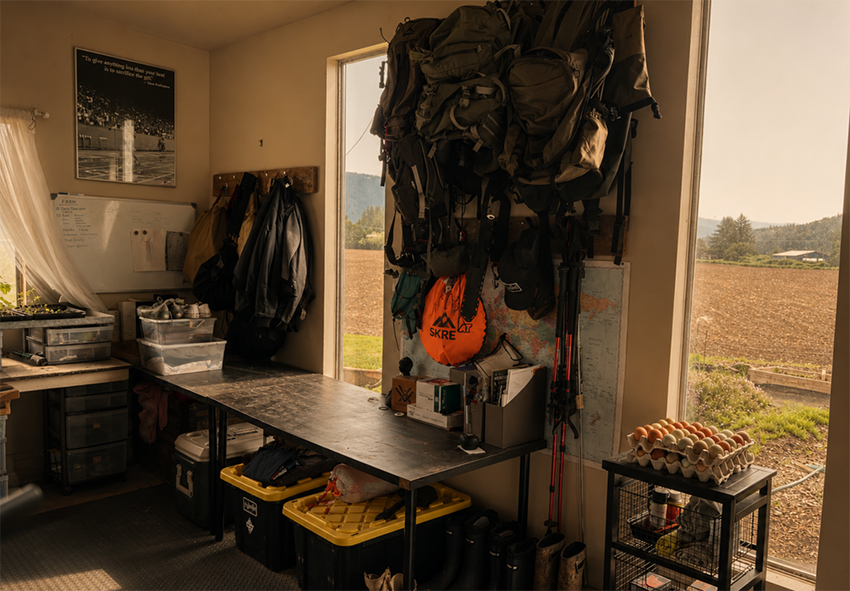
Finding Nowhere films 8–10 episodes a year. Across our vast and rugged province — and increasingly, far beyond it.
That means months spent bouncing between highways, dirt roads, airports, boats, mountain trails, logging roads, motel parking lots, and frequently, friends’ floors. One week it’s been raining or snowing in British Columbia. Next it’s red dust and heat. Then saltwater spray somewhere on the mighty Pacific, followed by bugs and high alpine terrain.
Packing for that kind of life becomes an ever evolving task that is part science, part philosophy.
And while I love the challenge, I’ve never fully nailed it. Which admittedly frustrates me! I should have this figured out by now.
I’ve gone through every carry system imaginable: one bag, two-bag systems, hard cases, duffles, organized packing cubes, compression sacks. Minimalism and overpacking.
Every season, really every episode, changes the equation enough that I’m always find myself tinkering with those last few “should I or shouldn’t I ” items.
So for now, where I’ve landed is fairly simple and probably not all that revelational:
Always be ready for anything.
That said, Finding Nowhere has offered some refinement through repetition. Because every episode follows roughly the same structure:
3–4 days filming
2–3 days travel
Variable weather
Unpredictable terrain
Physical exertion
And somehow still needing to look presentable enough for restaurants, interviews, and the occasional civilized setting
By Season 2 alone, we’d logged over 20,000 miles in the air and more than 30,000 miles on dirt and asphalt (thanks again Bannister Auto Group for making that possible) and however many nautical miles at sea.
Our average drive to a filming location is probably around 10 hours. Some are five. Some are fifteen.
Our longest haul flight so far is a forty hour milk run returning from Thailand.
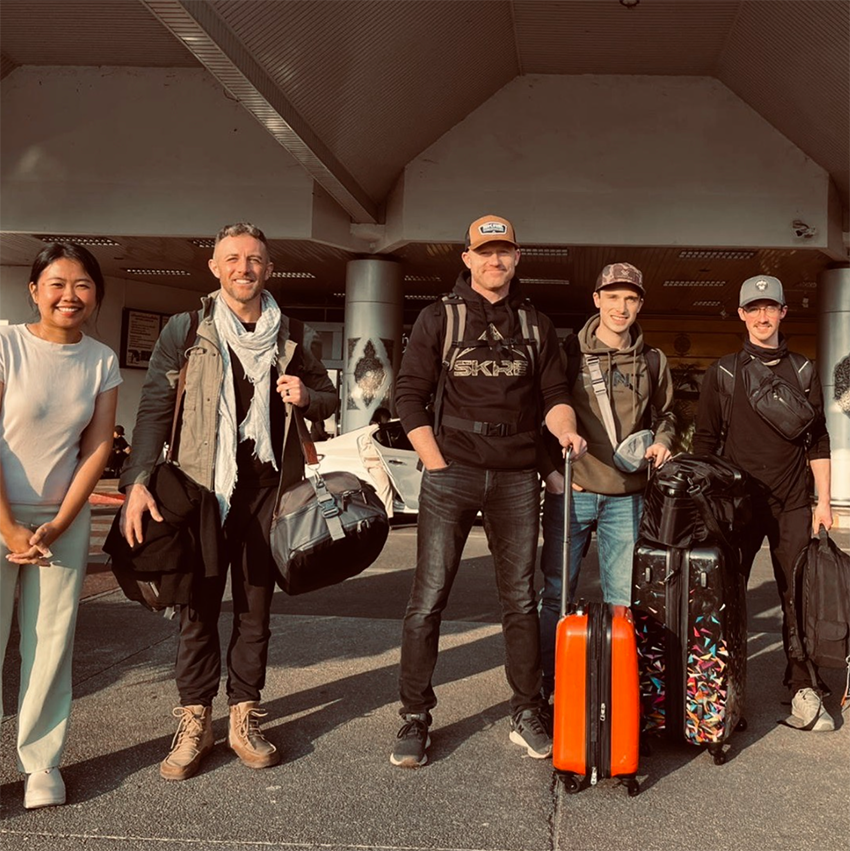
Arriving in Chiang Mai to film with Khmu Tribe in Northern Thailand
The Core Philosophy
Our packing system now revolves around one simple principle:
Modular readiness for anything.
A minimalist packer would probably consider this a bit of a cheat system… and honestly, they’d probably be right.
But it works for the kind of travel we do, especially the BC drive-to-destination hunts that make up the majority of our filming schedule.
Essentially, I bring everything.
I keep:
hunting clothes in one Rubbermaid
hunting gear in another
travel/casual clothing in a third
Depending on the trip, those systems expand or compress slightly.
Ryan normally does a gear check once we arrive, so while I’ll pack specifically for the hunt, I still tend to throw the full Rubbermaids in the truck just in case I forgot something. Having everything pre-organized makes it incredibly easy to grab gear at the last minute.
Rubbermaid bins have become the backbone of how we travel.
They stack well.
They keep gear separated.
And when camp life gets chaotic, they become mobile drawers.
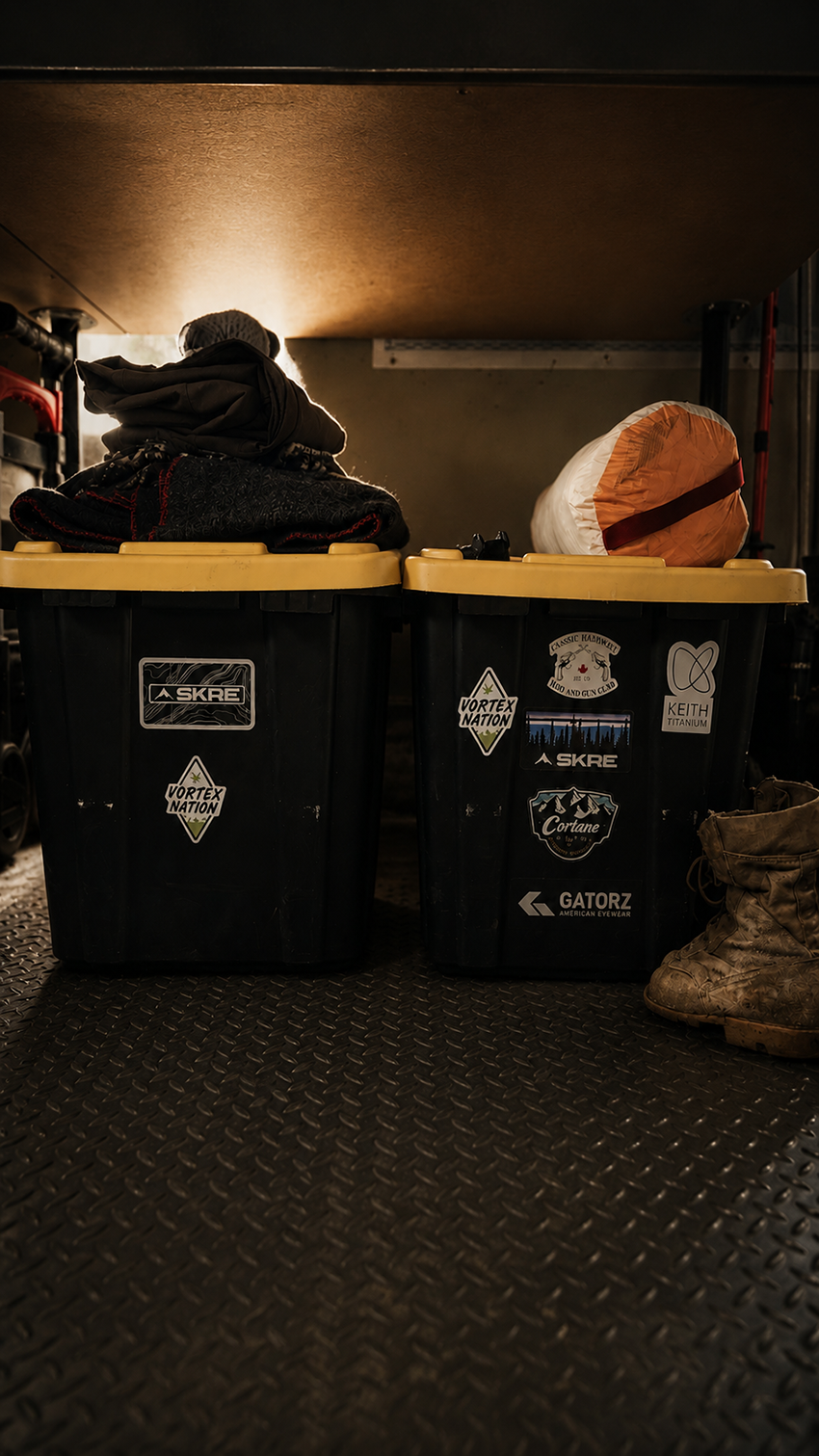
Most of our gear lives in:
1–3 Rubbermaid bins
1 travel duffle (with essentials already packed)
1 backpack/day pack (usually with hunting gear packed)
Alongside that, a few things go in the truck no matter where we’re headed:
rubber boots
chainsaw
axe
camp stove
Pro Tip - I use Silica Gel Packs in all bags and storage as they absorb moisture and help prevent mildew, musty smells, condensation, mold and rust on metal gear/electronics.
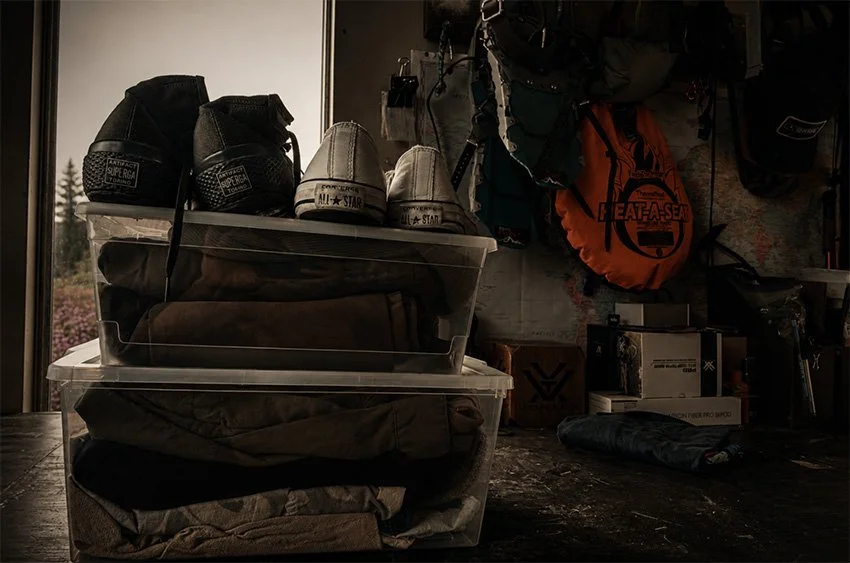
Stored Capsule rubbermaids for destination specific clothing
Bags We Actually Use On and Off The Mountain
Leaving camera bags aside… that’ll be a separate blog entirely…depending on the trip, we usually bring 3-4 bags each.
First: The Duffle
35L. Carry-on size almost anywhere.
Usually reserved for:
casual clothing
travel layers
airport essentials
things that need quick access
The duffle never comes into the mountains. It’s the in-between bag moving from destination to destination and handling the town-filming portions of our trips.
The Day Pack — 15L
Daily carry changes depending on the shoot, but generally holds:
laptop
chargers
hard drives
notebook
books
snacks
camera accessories
headphones
backup batteries
random receipts you swear you’ll organize later
Note, usually only myself and the crew have the extra day pack. Ryan normally travels with a just duffle + hunting bags.
While it changes from episode to episode, our normal go-to is the Kosan carry-all duffle backpack and daypack system.
Ironically, I originally designed it for world travel long before Finding Nowhere existed but it ended up becoming the bags I use most for the show.
While neither of these bags needs to be mountain-tough, they still need to be overly durable the still need to be easy to throw into trucks, boats, overhead bins, or at your feet during long drives.
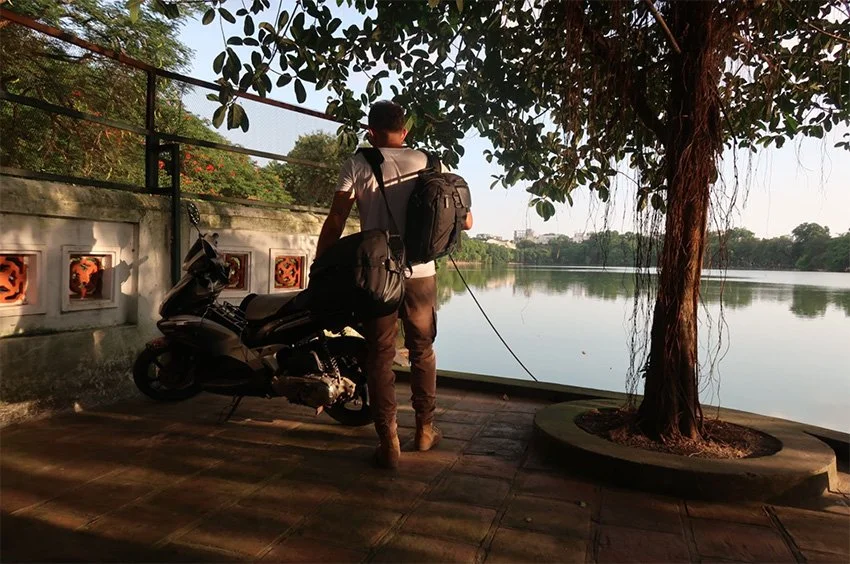
Kosan Duffle/Backpack and Day Pack in South East Asia
Hunting Backpack
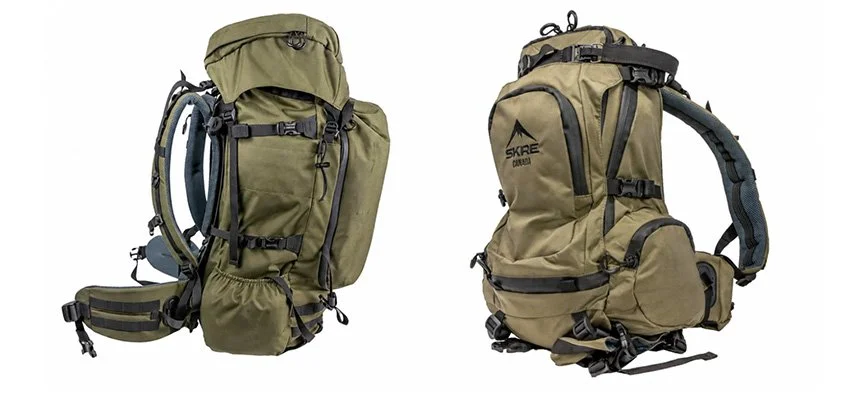
SKRE Ridgeline Frame Pack
The Ridgeline Frame Pack by SKRE is designed for serious hunters and multi-day wilderness expeditions.
It features an easy quick-release system that allows convenient storage and fast access to a rifle or bow, while the rugged yet lightweight carbon fiber frame is built to haul heavy loads — whether that’s meat, camera gear, or an entire backcountry camp.
Specs
5,000 cubic inches / 80L
5.5 lbs
For mountain hunts, this becomes the workhorse.
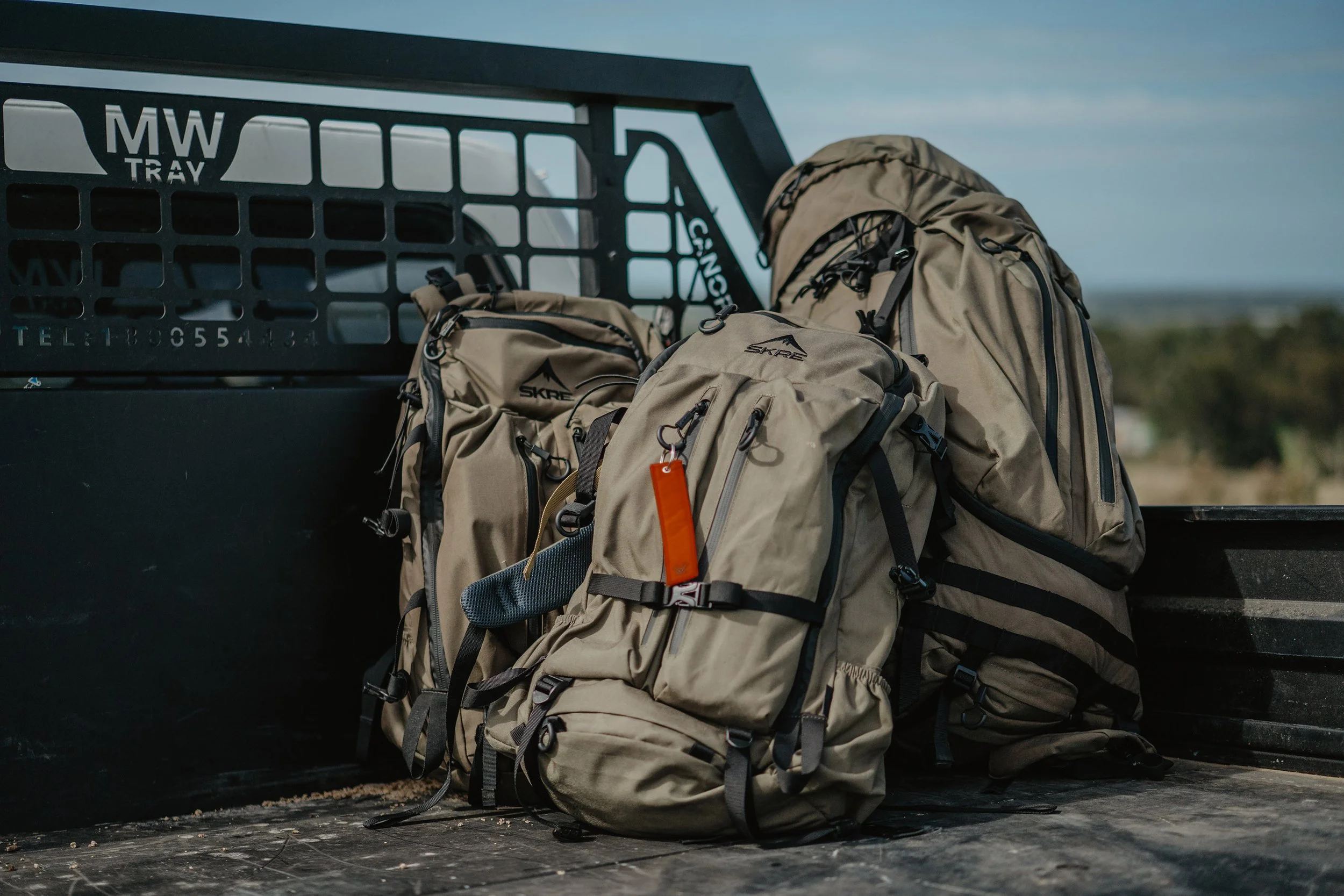
Skre Bags in Gippsland area Australia
Hunting Day Pack
SKRE Pioneer Pack
The Pioneer Pack by SKRE is a Canadian-designed 30L hunting day pack built specifically with Canadian hunting conditions in mind.
The easy-release system allows quick access to:
a hunting rifle
bow
tripod
optics setup
From secured on your back to in your hands in under five seconds, the system genuinely changes how efficiently you move in the field.
And honestly, though it doesn’t fit under your seat in an airplane as a second carry-on, this pack frequently replaces the Kosan day pack entirely… which it has done on many occasions.
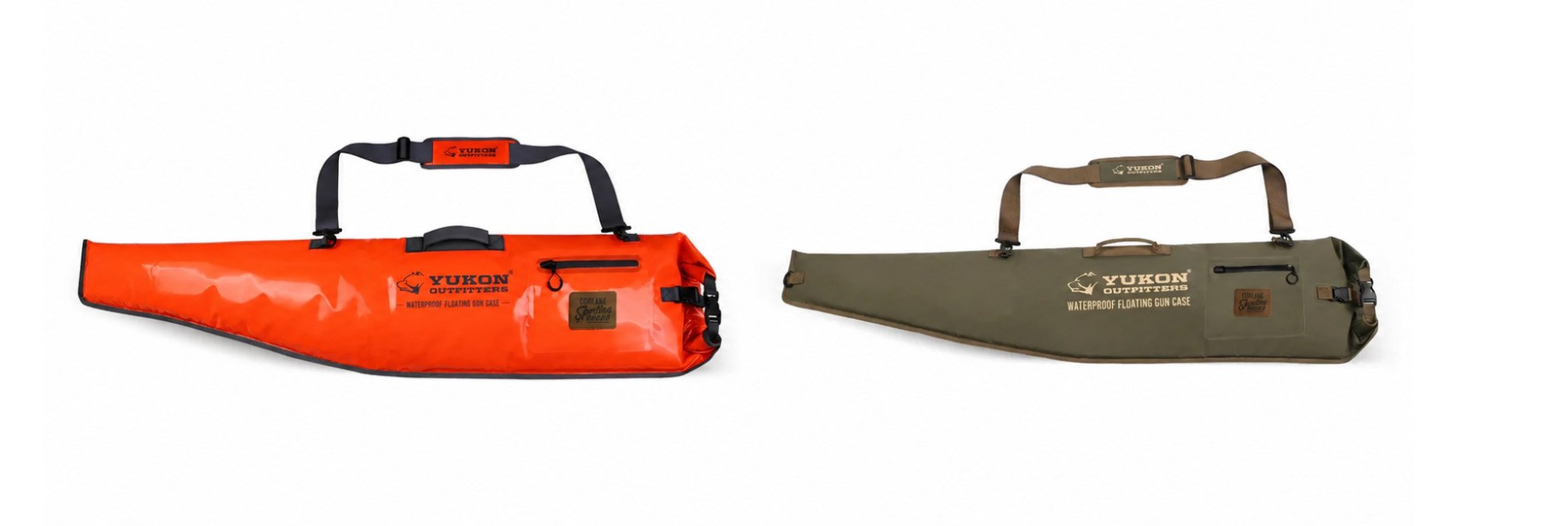
The Rifle Case
Ryan will get into the specifics of the refiles in another blog. He carries a hardshell case as the case takes damage in the box of the truck. I’ve mostly carried a soft shell so it often rides in the cab.
These co-branded Corlanes x Yukon Outfitter CSG floating gun cases are excellent.
Clothing: The System
As mentioned, we film year-round and even if we didn’t, many of the places we travel through can experience every season in a matter of hours. That means packing for cold, heat, rain, wind, snow, sweat, airports, mountains, restaurants, campfires, and boat life (both oceans and lakes) sometimes all within 48 hours. So layering matters more than anything.
Realistically, you can’t pack minimally for that many variables. And while the show is mostly filmed in mountains and wilderness, a huge part of Finding Nowhere happens in local cafés, pubs, restaurants, gas stations, motel parking lots, and small-town main streets. We want to be approachable. Presentable. Not constantly covered in blood, dirt, and camp smoke. You know… so people actually want to have a beer with us. So camp gear regularly swaps into casual attire.
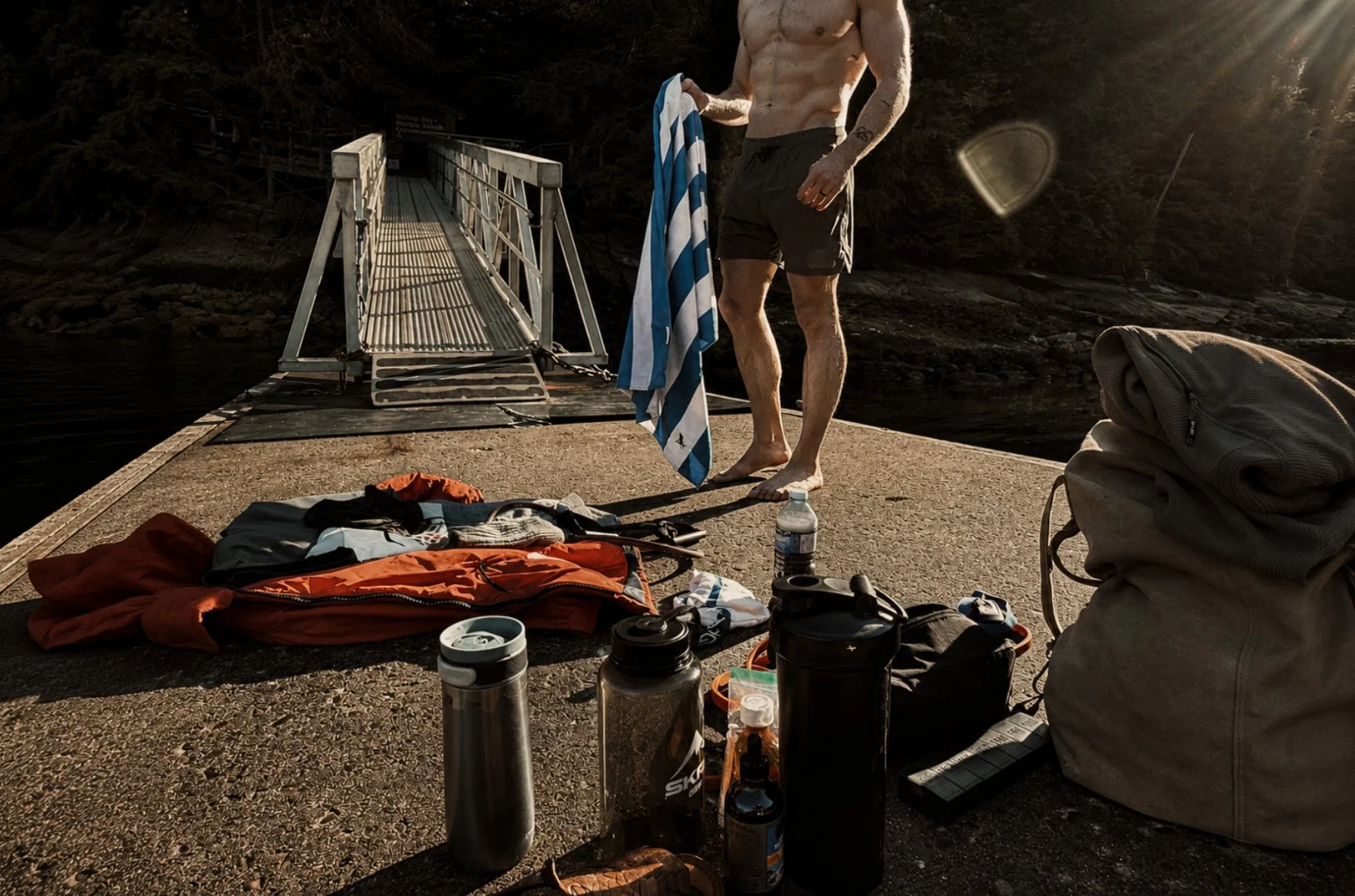
Gear drying on the dock on the Douglas Channel near Kitimat B.C.
The Packing List
Merino Wool Socks & Underwear
Absolute non-negotiable.
Wool works when wet, doesn’t smell nearly as bad, and handles both cold and heat surprisingly well. And yes, you can realistically survive with fewer pairs than polite society might recommend.
Currently we’re all in the Vortex Arctic Trail Wool Sock
Workout Socks (No-Show)
Usually cheap Amazon no-shows.
Light to pack and useful for:
flights
gym sessions
recovery days
casual wear
They dry quickly and disappear inside trail shoes.
Base Layers
Usually:
2 merino performance base layers
1 long sleeve
1 short sleeve
These become the foundation for basically everything else.
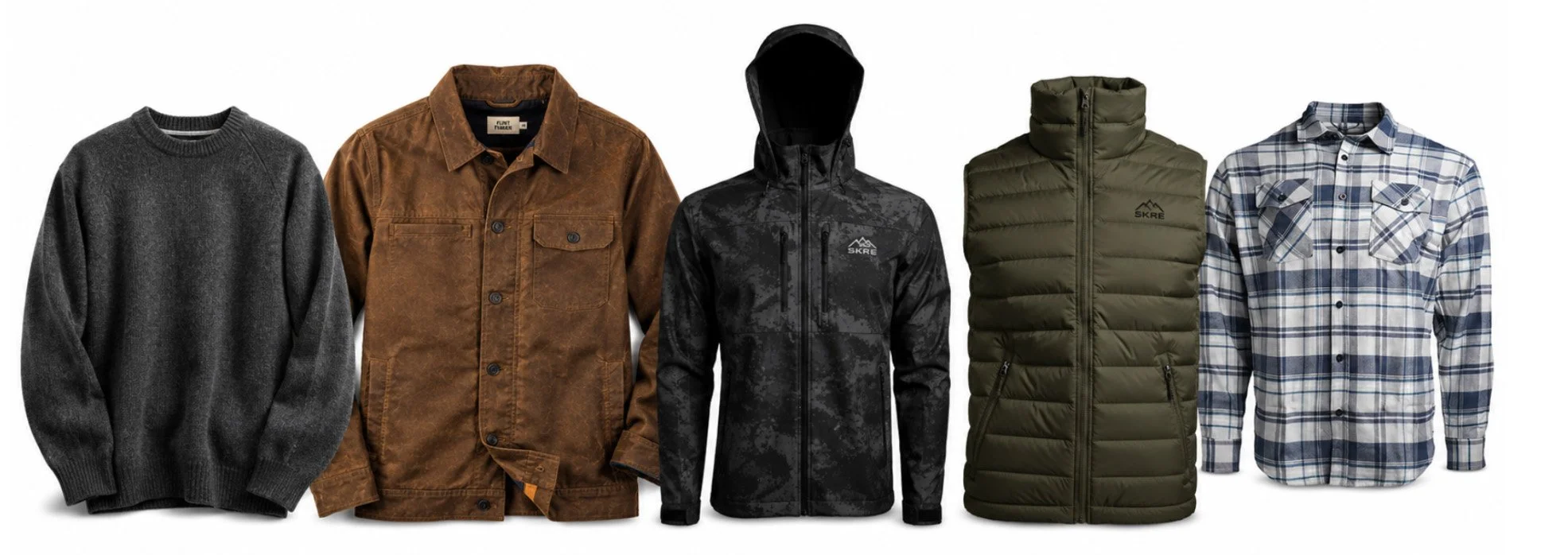
Frank’s Corner Merino Wool Sweater, Flint & Tinder Waxed Trucker, Delta Flannel, Hard Scrabble and Puffer Vest by SKRE
Mid Layers & Outerwear
Typically packed:
1 sweater
1 puffer or puffer vest
SKRE Hardscrabble layer
Rain jacket
Casual jacket Waxed Trucker
Wool Sweater
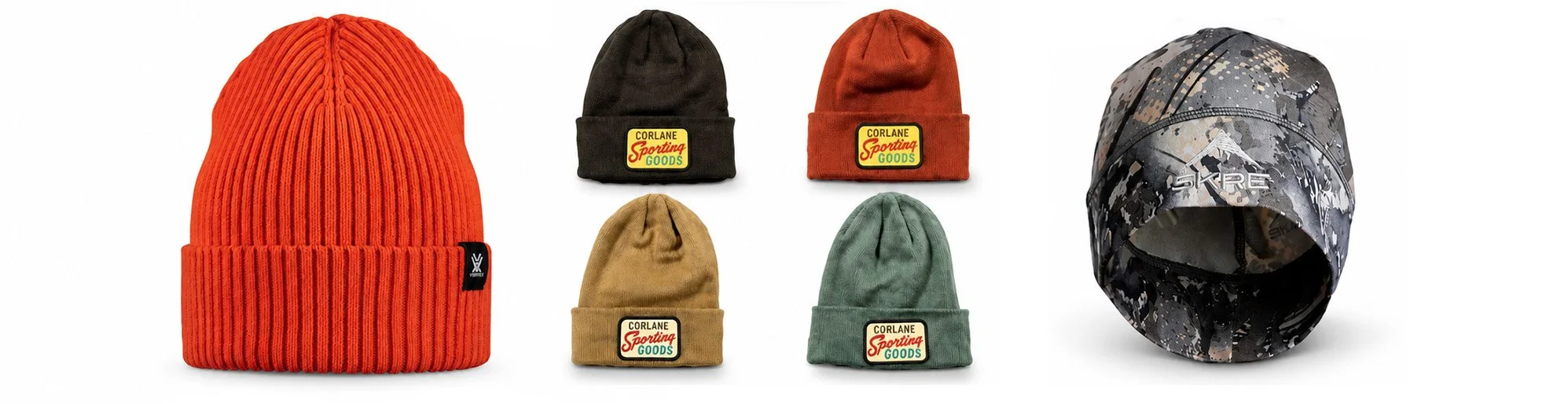
Vortex, Corlane and SKRE beanies
Beanies & Hats
Usually:
2 beanies (SKRE Ibex 300 merino beanie, Corlane branded beanie, and Vortex Northern Meader Beanie are all awesome)
2 hats - the Vortex Three Peaks Performance hat is amazing
Typically:
wool camo for hunting
one casual option that can still work in the field
Vortex also makes surprisingly bad ass apparel for an optics company!
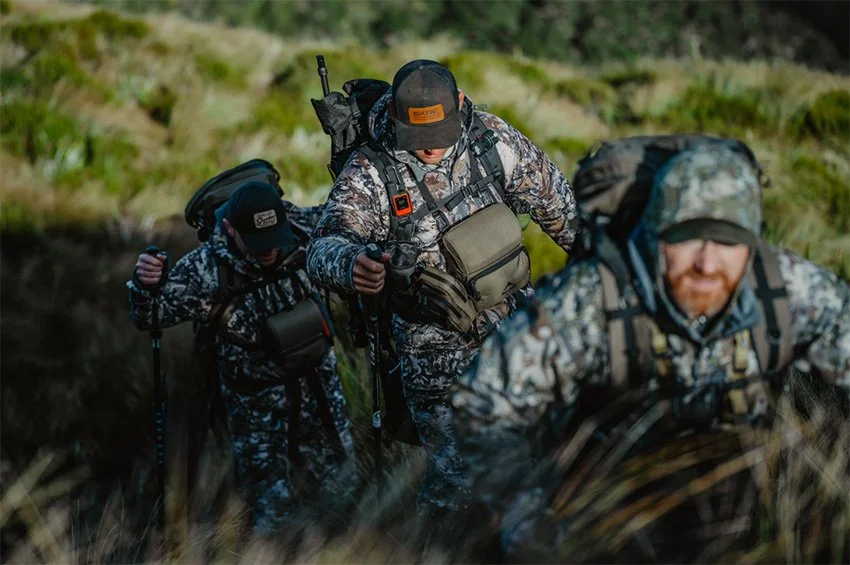
Skre Camo Trekking through the alpine tussock grass in New Zealand
Hunting Gear
This deserves its own deeper guide eventually, especially for goat hunt episodes, but generally speaking, we run a layered SKRE camo system.
Typically:
SKRE Layer 1
SKRE Layer 2
weather-dependent outer layers
The goal isn’t just warmth, but:
mobility
breathability
quietness
drying speed
Packability
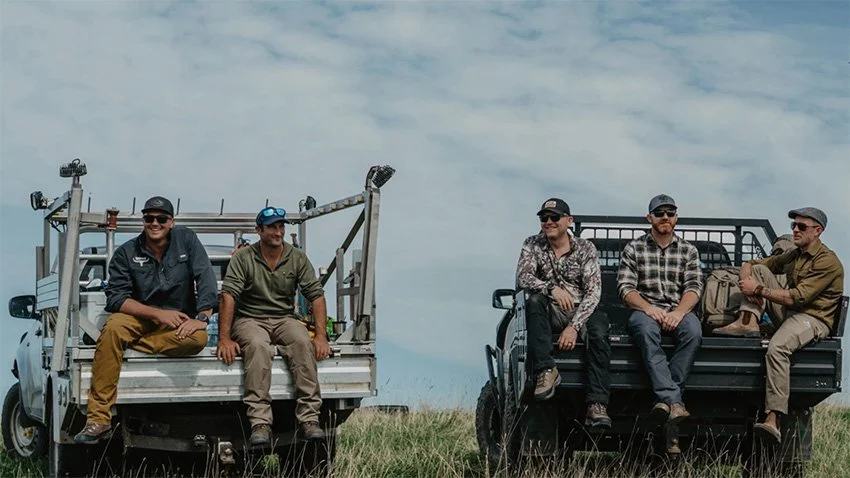
Taking a break outside the town of Yarrum, Australia
Casual Clothing
Usually packed:
1–2 button-downs (Partial to Flannels)
1–4 casual tees
Always:
one black tee
one white tee
two branded tees
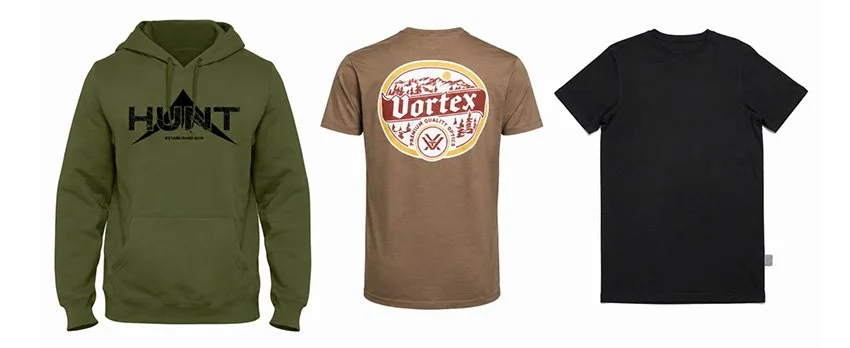
SKRE, Vortex Merch, Naked Revival Shiro T-Shirt
Pants & Shorts
Usually:
1 technical hunting/hiking pant (SKRE Hardscrabble)
1 durable travel pant that can we can hunt in (SKRE Venture Flex)
1 casual option ( normally denim…don’t make it into the mountains)
1 sweatpant/jogger(these never come into the mountains)
1 hybrid short for gym, swim, and casual wear
1 Long John (SKRE Wool Kaibob 300 or 150)
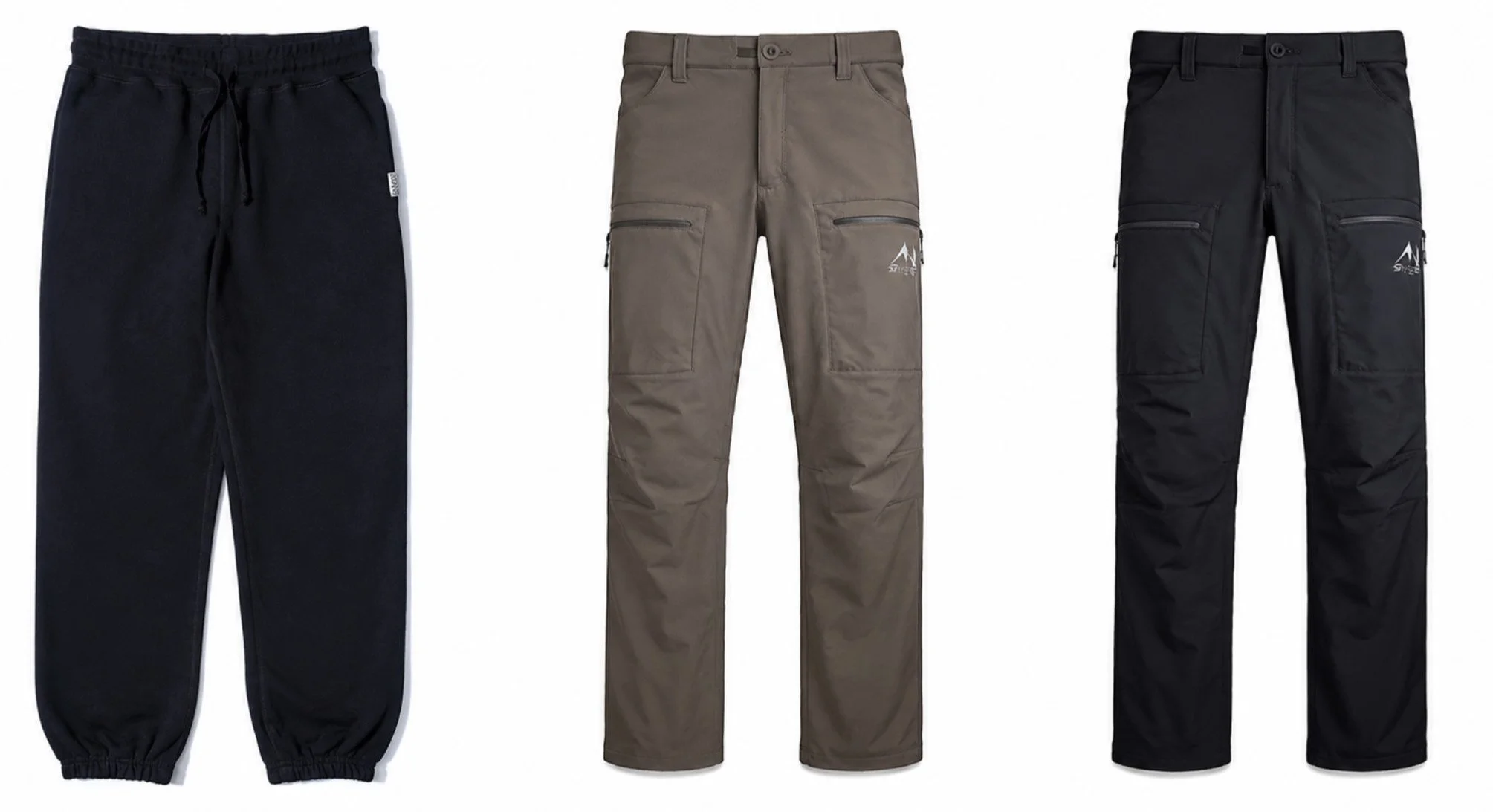
Naked Revival Sweat Pant, SKRE Hard Scrabble and Venture Flex Pants
*All available at Corlane Sporting Goods
Footwear
Footwear multiplies quickly because the environments change so dramatically.
Usually:
Camp Shoe
For:
camp
boat docks
gas stations
motel hallways
Casual Boot
Something versatile enough for:
restaurants
travel days
town shoots
Usually:
Blundstones or similar
Hiker
The real workhorse.
Rubber Boots
Always live in the truck.
Even if you think you won’t need them… bring them.
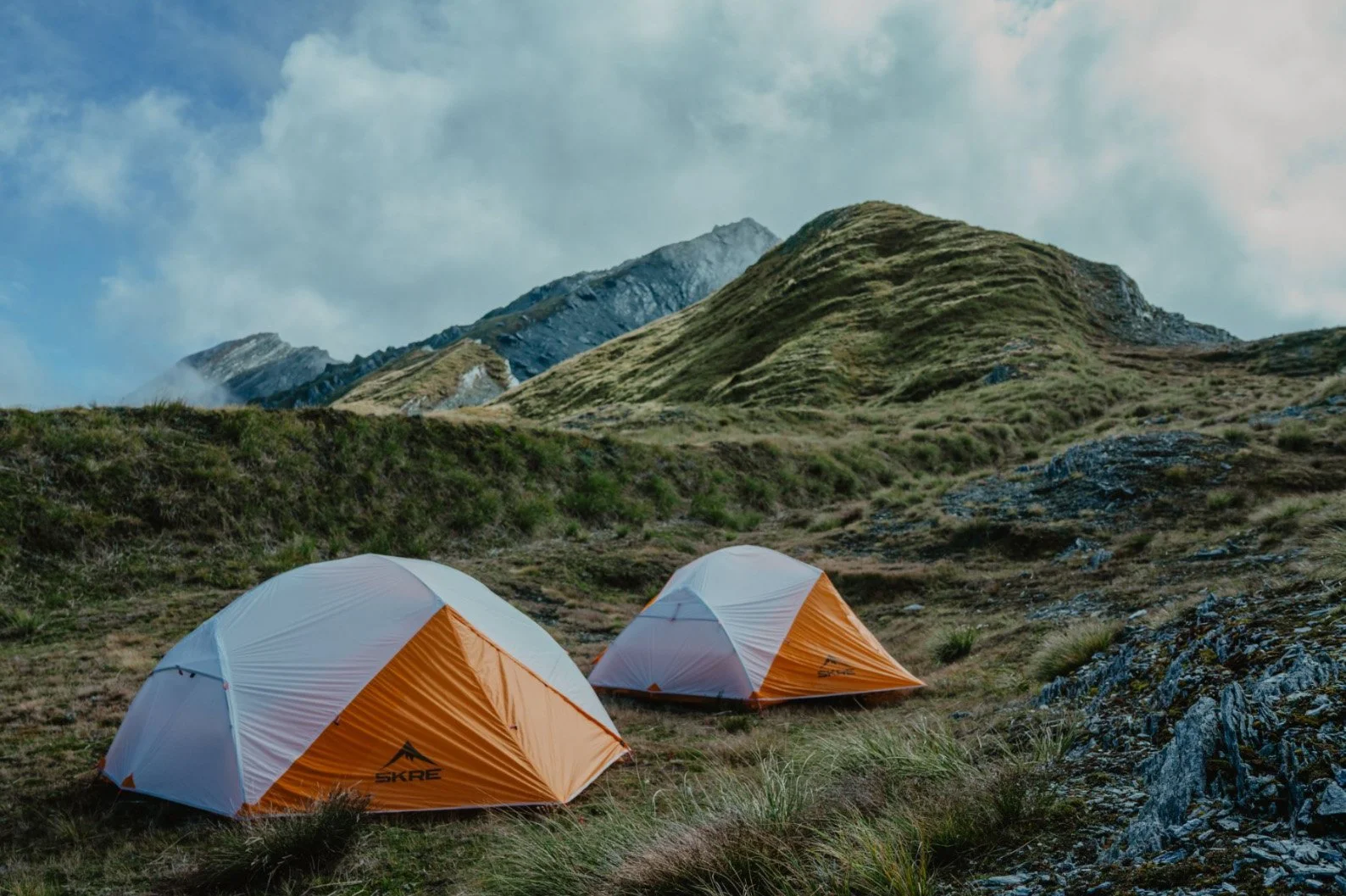
Skre Tents New Zealand Alps, South Island
The Reality of Sleep on the Road
Yes, despite how cinematic the show may look at times… this is still a heavily bootstrapped production.
We spend a probably not surprising amount of time sleeping on:
Motel room floors
Cabins floors
Boats floors
airport corners
Forest floors
So sleeping mats and bags always come with us. Usually a Neebo for the mat…they are incredible!
“ Sleeping mats always come with us.”
Comfort becomes performance eventually. Mental acuity comes from rest. Rest is admittedly tough come by as we usually should 12-14 hours a day on the road so maximizing sleep variables is paramount.
Which also leads to the … always bring a tent rule
Even when accommodations are technically arranged.
Plans change
Weather changes.
Vehicles break.
Shoots run late.
Or like in Kitmat every guy got too claustrophobic sleeping in the boat so we had to put a few guys on the dock in a tent.
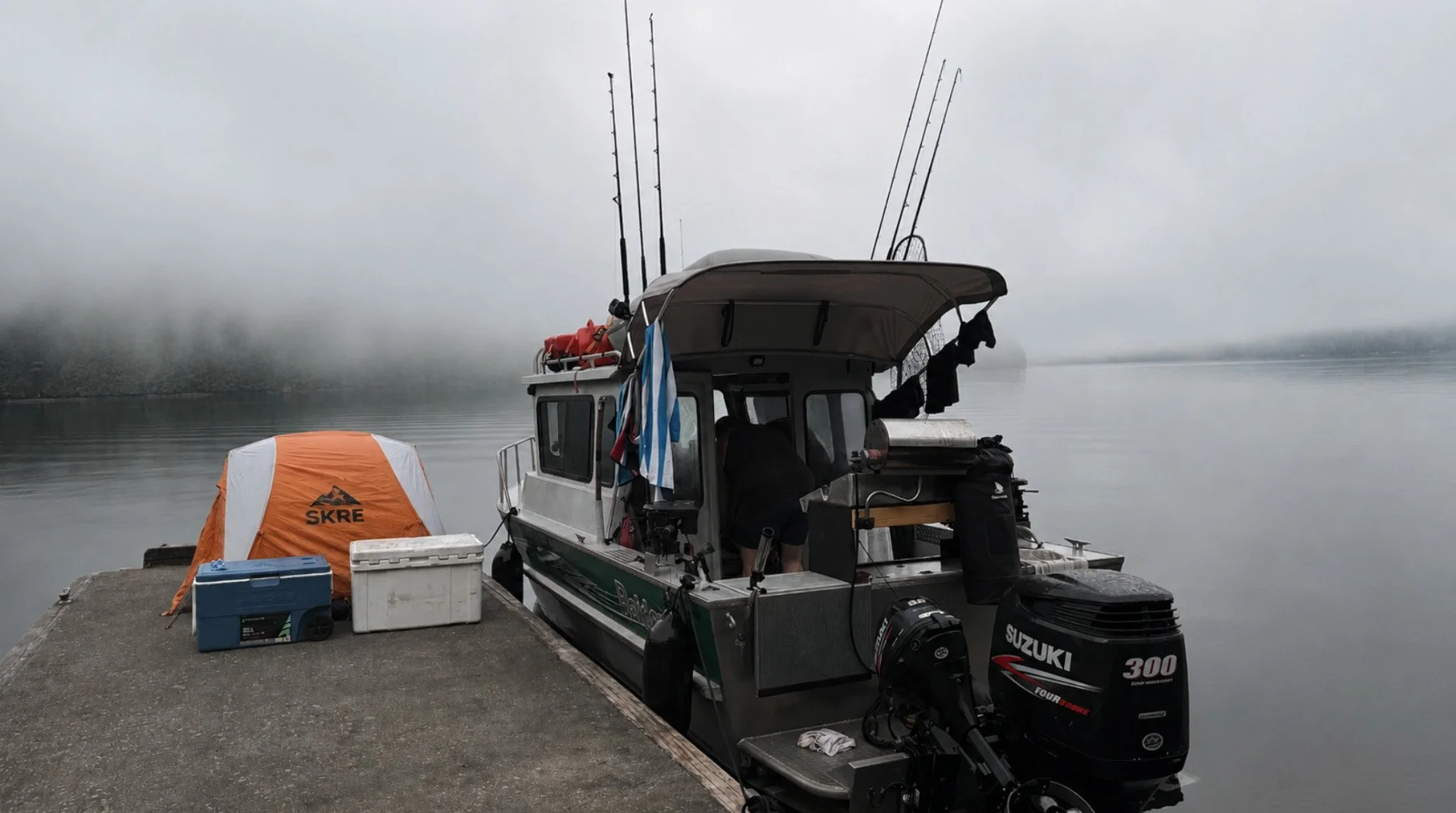
Boat camp in Bishop Bay, B.C.
Fitness on the Road
Hunting itself is physical.
But travel wrecks the body in different ways:
sitting
driving
carrying gear
inconsistent sleep
terrible posture
gas station food
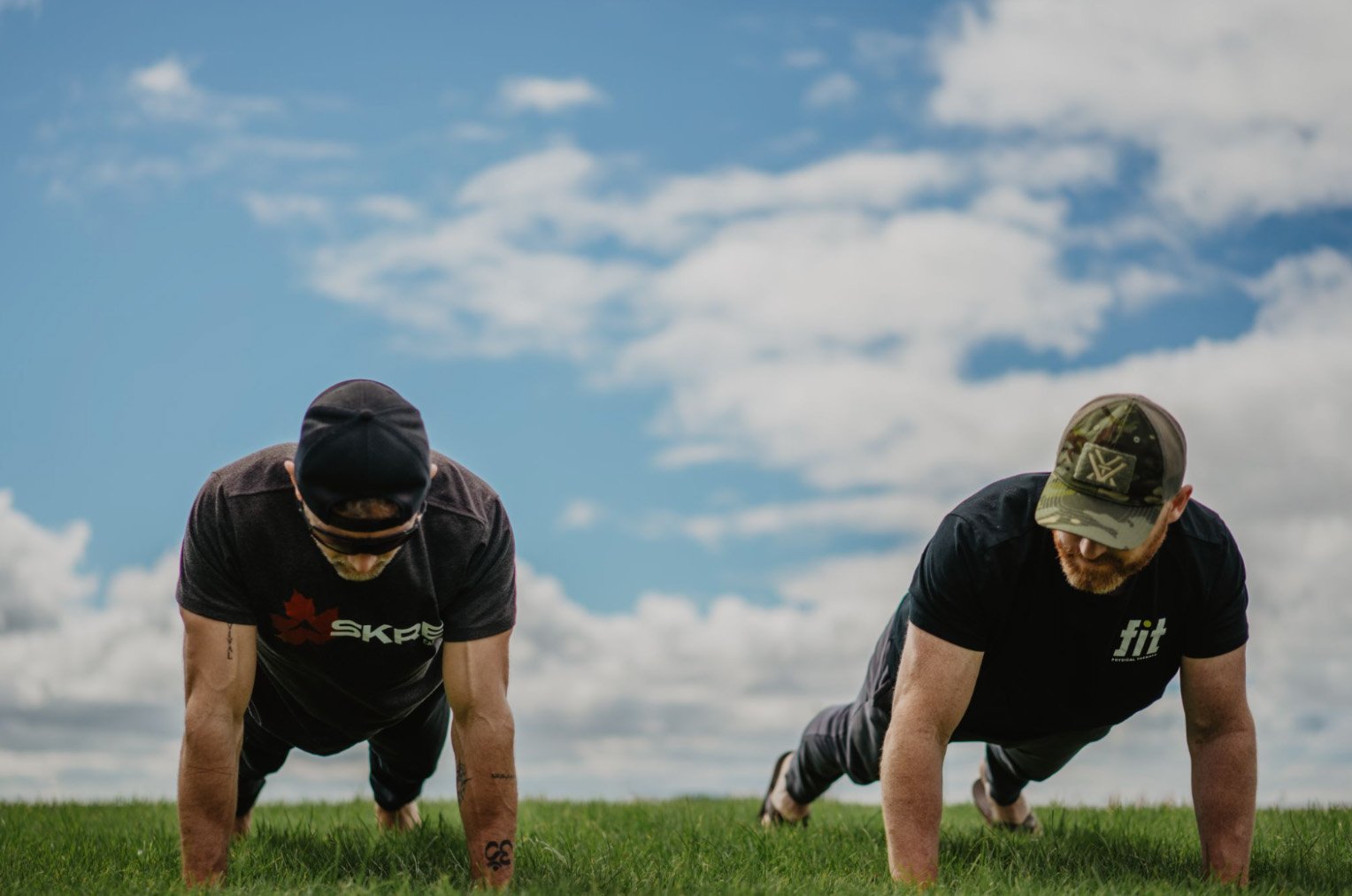
15 min Park workout Port Albert Australia by Fit Physical Therapy
So we try to stay mobile.
Usually packed:
Resistance bands
Speed rope
And when time allows, Sam Moxon programs quick 15-minute road workouts for us. You can check it on our Functional Fitness for the Hunt Blog.
Nothing fancy.
Just enough to keep the wheels from falling off physically.
The Small Stuff That Matters Most
Tech & Electronics
Phones + Chargers
Obvious. But power management becomes its own system in the field. Batteries drain fast, both human and electronic.
Laptop
Used constantly for:
production notes
Google Drive updates
shot logging
media backups
keeping real life functioning on the road
Every night, footage gets dumped and backed up if possible. That process becomes sacred very quickly.
Starlink Mini
A newer addition.
For years we stayed mostly offline during shoots, but growing families, sponsors, and business realities changed that. Now we bring the internet with us — and honestly, it’s completely changed remote filming logistics.
Notebooks x2
Always:
field notes
journal
Ideas disappear quickly in the field. Write them down.
EDC Knife, Sunglasses, Optics
Currently:
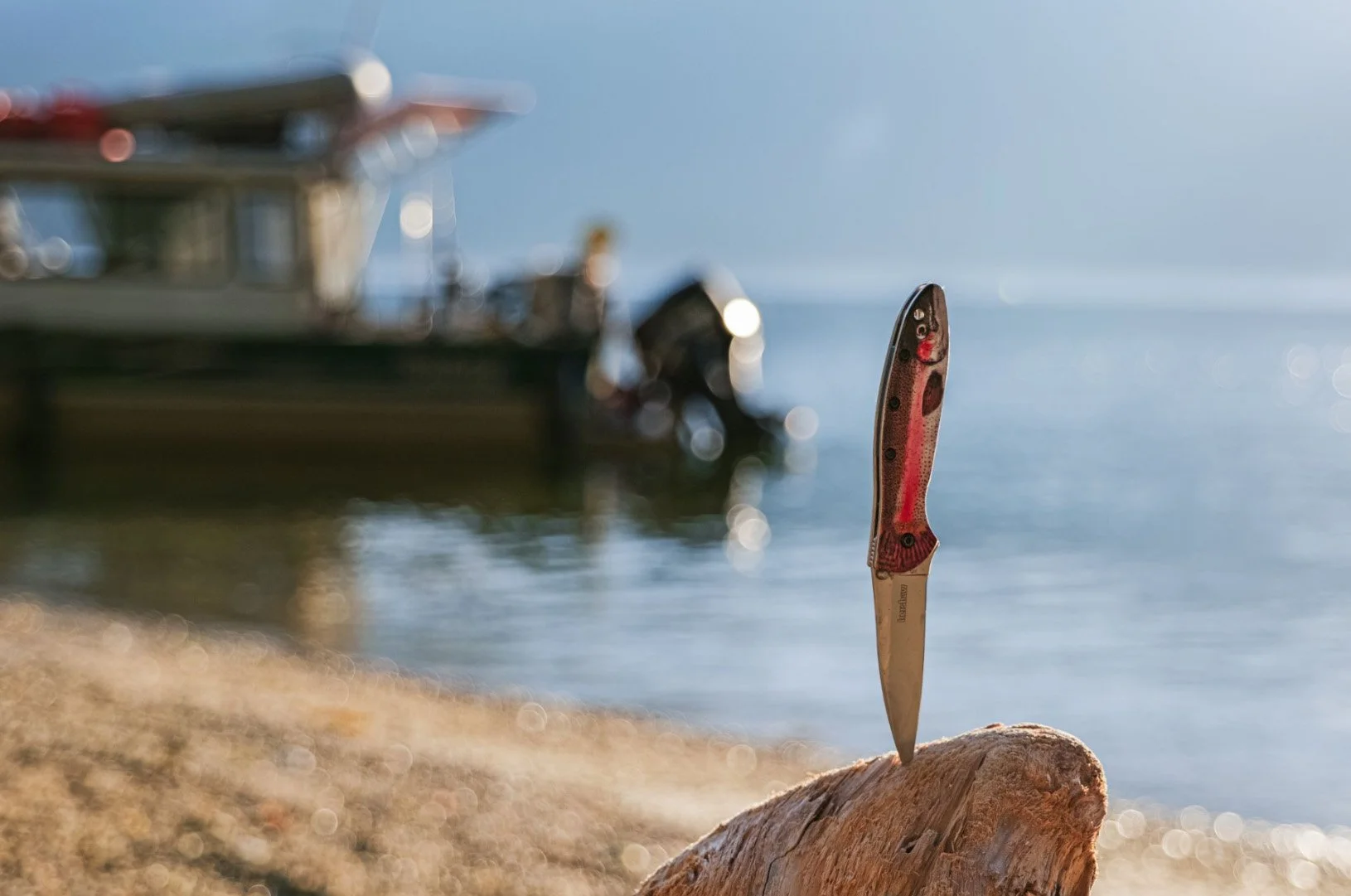
Kershaw knives - We use the Bel-Air (Never pack in your carry tough).
Gatorz Eyewear
Vortex Binos (even if we’re not hunting… they came in handy on the fishing ocean and sight seeing in general)
Bug Dope and Sunscreen… believe it or not we don’t often pack this but usually end up borrowing some.
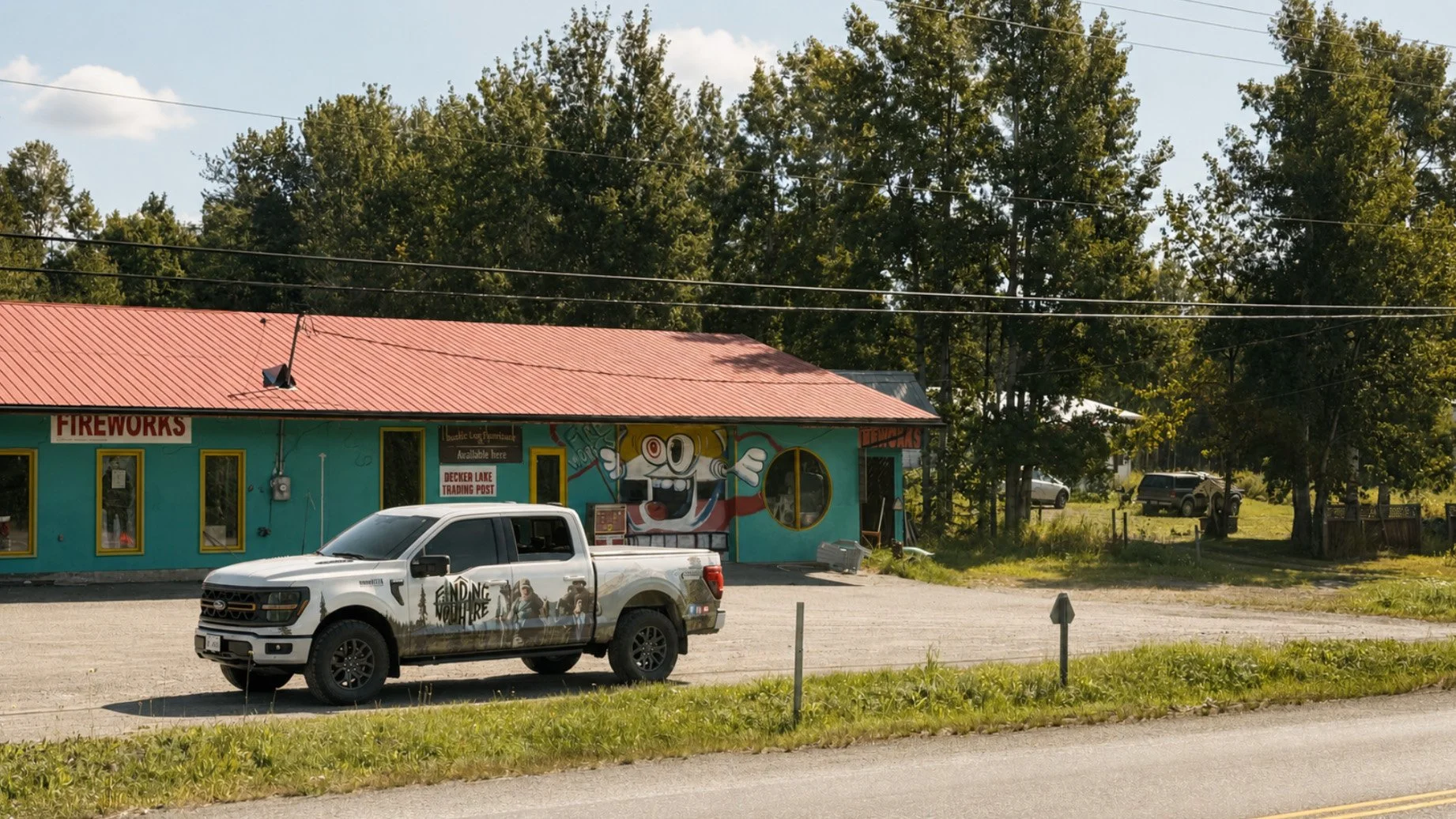
Bannister Ford Truck on HWY 16 En Route to Kitimate (the longest drive of Season 2)
A Quick Note on Hygiene & Recovery
Wet Wipes & Truck Cleaning Supplies
Dirt accumulates frighteningly fast when wet boots cycle in and out of trucks for days. Admittedly, it’s an obsessive habit, but cleaning incrementally prevents total chaos.
Toilet Paper + Cottonelle Wipes
Mountain or motel, civilization exists for a reason.
Supplements & Skin Care
This is admittedly more of a personal system than a universal recommendation.
But usually packed:
Creatine
Whey protein
Electrolytes (LMNT, etc.)
AG1
Focus supplements
Sleep aids
Melatonin (especially internationally)
Omega-3s
NAC
Various recovery supplements
Not all of it goes into the mountains.
But road life becomes significantly easier when recovery is intentional.
Skincare
Because cold, sun, wind, campfire smoke and sweat absolutely destroys your face over time.
Current:
Lip balm: mandatory and any will do
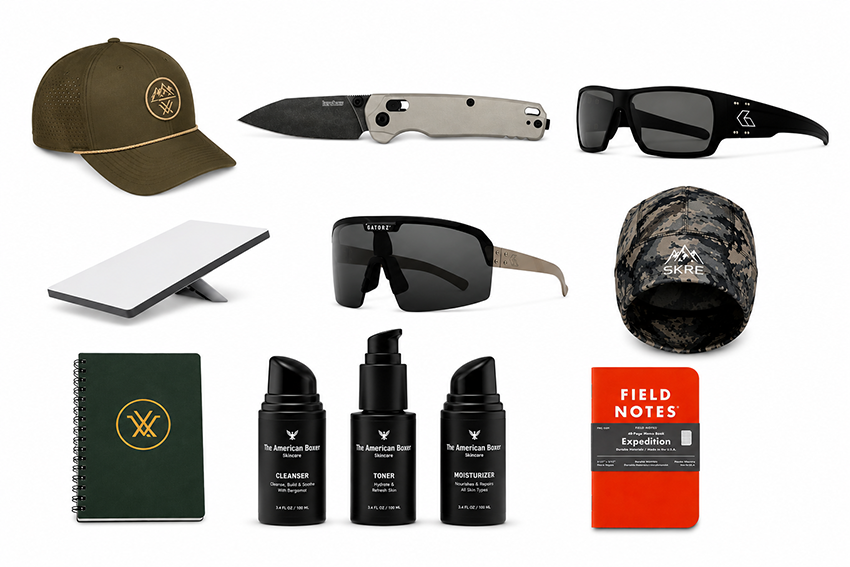
Various Travel Accessories
The Truth About Packing
Packing for Finding Nowhere is about survival and convenience and comfort.
The less mental energy spent searching for gear, drying clothes, reorganizing bags, or realizing you forgot critical layers…the more energy remains for:
storytelling
adventure
conversations
weather
discomfort
spontaneity
And MOST IMPORTANTLY A SUCCESSFUL HUNT
That said, when the packing is good the road starts feeling a little less like travel and a little more like home.
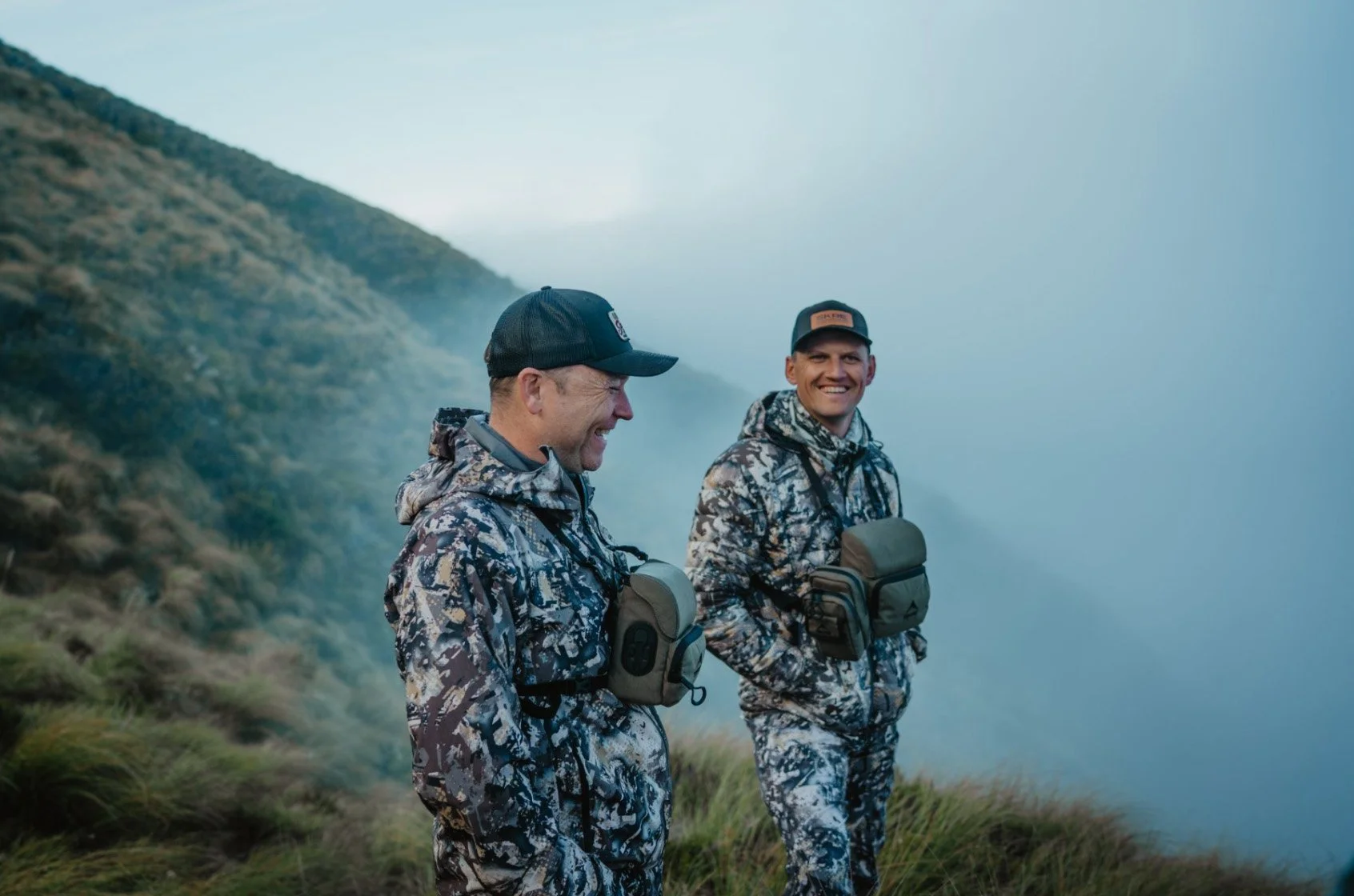
Season 2 Guest Stars, Aaron and Stan Happy (probably) Because of Good Packing